
1 – Turn Your Thermostat Down by 1°C
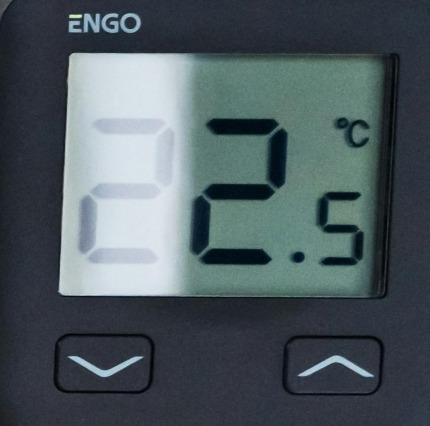
Did you know that turning your thermostat down by just 1°C could save around 8–10% on your heating bill?
Many people won’t notice much difference between 21°C and 20°C, but your wallet might.
As energy prices continue to rise, small changes like this can make a real difference over the course of a year.
Quick Tip:
Try lowering your thermostat by 1°C today and see how comfortable your home feels after a few days.
💡 Potential savings: £80–£150 per year.
2 – Stop Paying for Standby Power
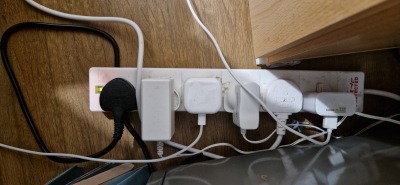
Many electrical appliances continue using electricity even when you’re not using them.
Televisions, games consoles, printers, speakers and chargers can all contribute to your electricity bill while sitting idle.
Quick Tip:
Switch appliances off at the wall when they aren’t needed, or use a smart extension lead.
💡 Potential savings: £30–£80 per year.
3 – Bleed Your Radiators
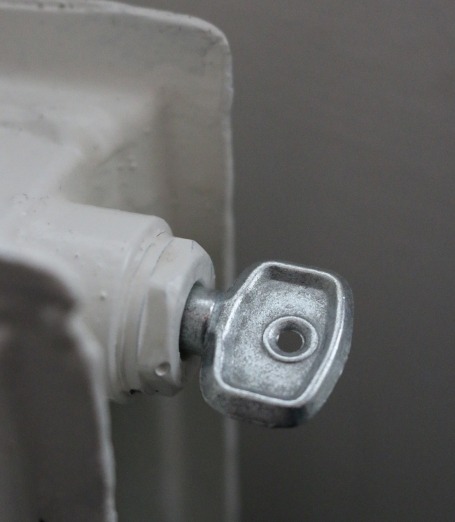
If your radiators are cold at the top and warm at the bottom, they may contain trapped air.
This reduces heating efficiency and means your boiler has to work harder.
Quick Tip:
Bleed radiators annually before winter to ensure they’re performing properly.
💡 Potential savings: Improved heating efficiency and lower energy use.
4 – Switch to LED Bulbs

LED bulbs use far less electricity than traditional bulbs and last significantly longer.
If you still have older halogen or incandescent bulbs, replacing them could quickly reduce your electricity costs.
Quick Tip:
Start with the rooms where lights are used most often.
💡 Potential saving: £50–£100 per year.
5 – Check Your Energy Tariff
Many households stay on tariffs that no longer offer the best value.
The UK energy price cap rises by 13% from 1 July 2026. Learn what it means for your bills, who is affected, and whether fixing your tariff could save you money.
Energy Price Cap to Rise in July 2026
Household energy bills across Great Britain are set to increase again from 1 July 2026, when the Ofgem price cap rises by 13% for a typical dual-fuel household paying by Direct Debit.
That’s an increase of £221 for a year for the average home.
This latest rise means many homes will pay noticeably more for gas and electricity over the summer. Industry forecasts also suggest the cap will rise again in the autumn, which is why many consumers are reviewing whether now is the time to switch or fix.
Let us give you a free utility bill review
Gas – Electricity – Broadband – SIM cards
Call “Reduce My Fuel Bills” now on 08008 101060 or 07960 799681
Or complete our enquiry form here.
There is also an income opportunity available
We can Lower your bills and Increase your income
Not only will you save on your utilities, but you will also get a cashback card on which you will get paid a Thank You Bonus!
The Thank You Bonuses are set out below:
- Gas, Electricity & Broadband= £50
- Gas Electricity, Broadband & 1 SIM = £100
- Broadband and 2 SIMs = £100.
- Gas, Electricity, Broadband & 2 SIMs = £150
to spend as you want.
Quick Tip:
Review your tariff regularly and compare available options.
💡 Potential saving: Potentially hundreds of pounds per year.
6 – Take Shorter Showers

Heating water accounts for a significant part of many household energy bills.
Cutting just a couple of minutes from your daily shower can reduce both water and energy consumption.
Quick Tip:
Challenge yourself to finish your shower two minutes earlier than usual.
💡 Potential saving: £40–£100 per year.
7 – Only Boil the Water You Need
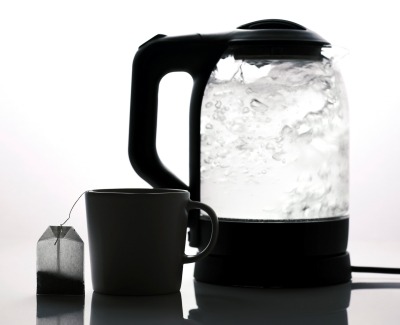
Many people fill the kettle far more than necessary.
Every extra litre of water requires energy to heat.
Quick Tip:
Only boil enough water for the drinks you’re making.
💡 Potential saving: £10–£30 per year.
8 – Wash Clothes at 30°C
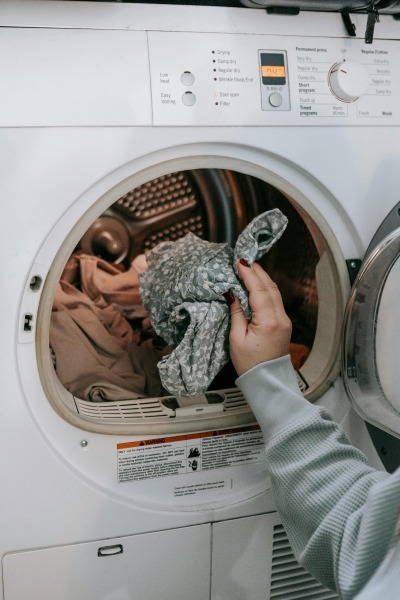
Modern detergents work extremely well at lower temperatures.
Most everyday washing can be done at 30°C rather than 40°C or higher.
Quick Tip:
Check your washing machine settings and choose the lower-temperature option where appropriate.
💡 Potential saving: £20–£50 per year.
9 – Keep Curtains Closed After Dark

Windows lose heat faster than most walls.
Closing curtains during the evening helps keep warmth inside your home.
Quick Tip:
Close curtains as soon as darkness falls, particularly in winter.
💡 Potential savings: Reduced heating demand throughout the colder months.
10 – Draught-Proof Your Home
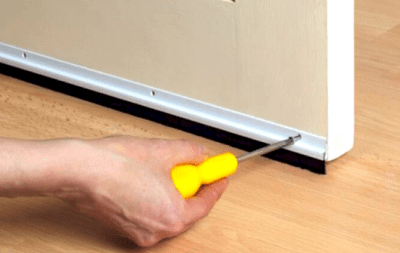
Small gaps around doors, windows and letterboxes can let a surprising amount of cold air into your home.
Quick Tip:
Check for draughts and seal obvious gaps using inexpensive draught-proofing products.
💡 Potential saving: £50–£100 per year.
11 – Use Heating Controls Properly
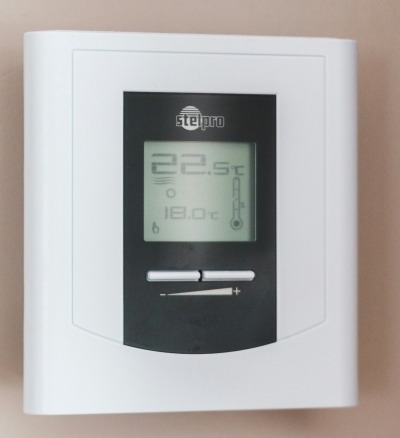
Many households don’t take full advantage of their heating controls.
Heating an empty home wastes energy and money.
Quick Tip:
Set heating schedules around your daily routine.
💡 Potential saving: £75–£150 per year.
12 – Install Thermostatic Radiator Valves (TRVs)
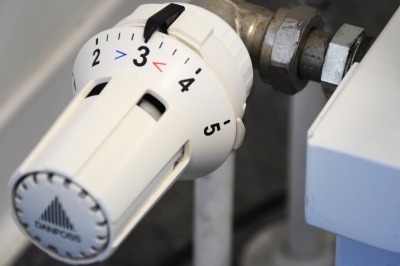
Not every room needs to be heated to the same temperature.
TRVs allow you to control individual radiators.
Quick Tip:
Turn down the heating in spare bedrooms and rarely used rooms.
💡 Potential saving: £50–£150 per year.
13 – Service Your Boiler
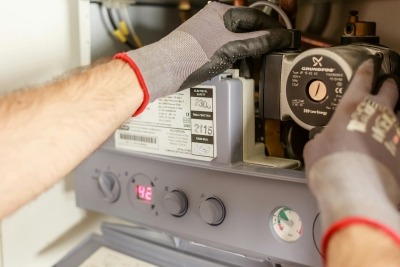
A poorly maintained boiler can become less efficient over time.
Regular servicing helps keep it running safely and effectively.
Quick Tip:
Arrange an annual boiler service before the heating season starts.
💡 Potential saving: Improved efficiency and fewer costly breakdowns.
14 – Top Up Loft Insulation
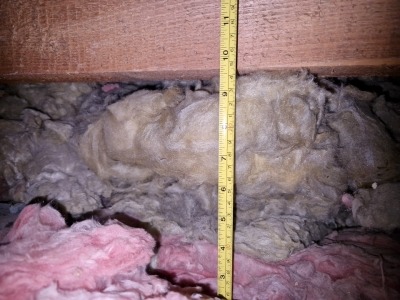
Heat rises, and without adequate loft insulation, much of it can escape through the roof.
If you have a look at the floor of the loft (if it’s not covered with belongings), can you see the joists? If they are covered with insulation, it is likely that it’s been topped up. But if you can see the joists, it probably needs topping up. The recommended depth for insulation is 270mm – 300mm (10 inches – 12 inches).
There are no insulation grants in Wales at the moment, so you will have to pay for it. There are grants in England, but the house and occupant would need to qualify. And even then, it would need to be a part of a much bigger retrofit.
We can give you an estimate of the cost for S. Wales. You can call us on 07960 799681.
Quick Tip:
Check your loft insulation depth and consider topping it up if needed.
💡 Potential saving: £150–£300 per year.
15 – Insulate Your Hot Water Cylinder
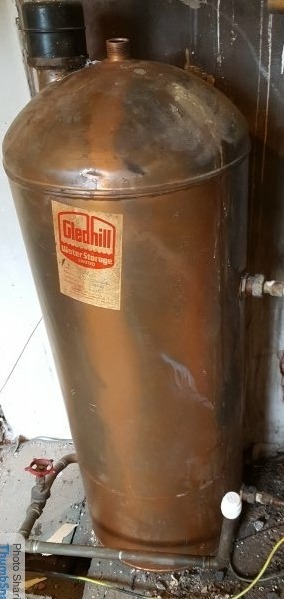
If you have a hot water cylinder, adding or upgrading its insulation can reduce heat loss.
Quick Tip:
Fit a cylinder jacket if one isn’t already installed.
💡 Potential saving: £30–£70 per year.
16 – Upgrade Older Appliances
Older appliances often consume significantly more energy than modern, efficient models.
Quick Tip:
When replacing appliances, compare energy ratings before buying.
💡 Potential savings: Varies depending on the appliance.
17 – Use Smart Heating Controls
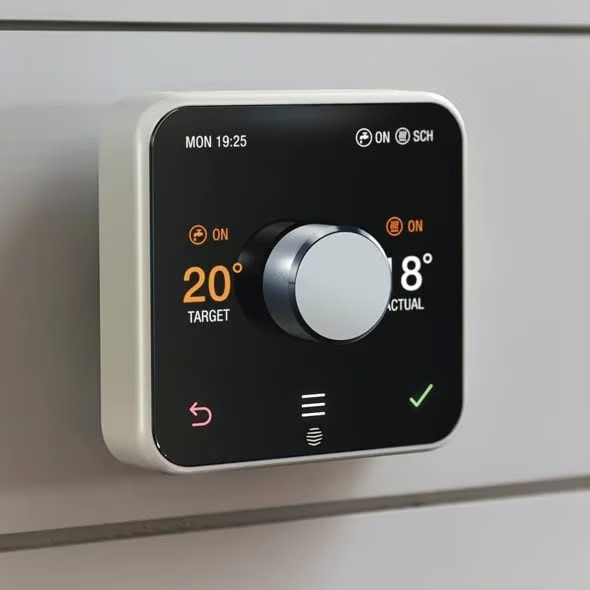
Smart thermostats can automatically adjust heating schedules to match your lifestyle.
Quick Tip:
Review your heating patterns and let technology help manage them efficiently.
💡 Potential saving: £75–£200 per year.
18 – Consider Solar Panels
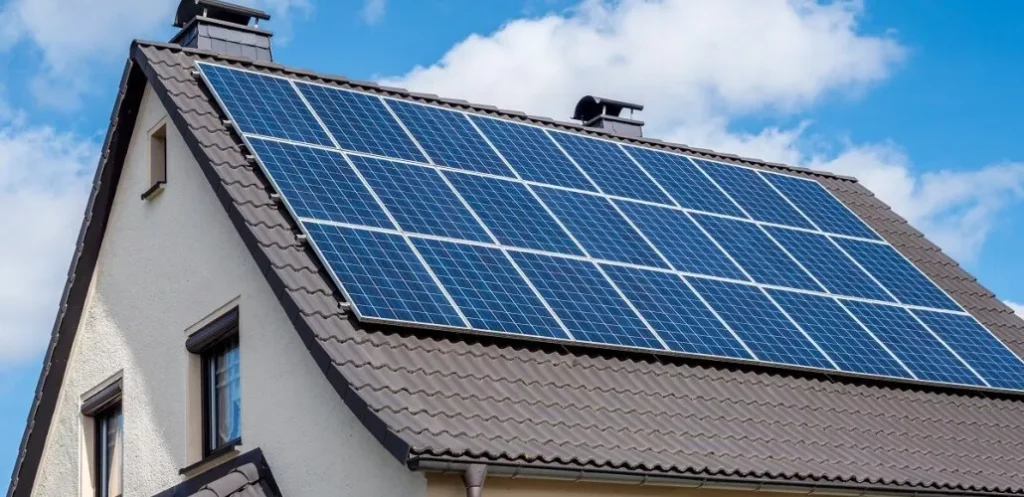
Generating your own electricity can reduce reliance on the grid and help protect against future price rises.
There is a grant available towards the cost of solar panels with a battery. The grant is £4,500. The usual balance is about £3,000. The grant is national.
The qualifications are
- Over 70 years old
- or A child in junior school receiving free meals
- or Total household income (before stoppages) must be less than £37,000 per year
- or Medical Vulnerability: A resident who suffers from a health condition negatively affected by the cold. Namely, Cancer / Terminal Illness, Cardiovascular Conditions, Respiratory Conditions, Disability (specifically affecting mobility), Mental Health Conditions and Immunosuppression.
Quick Tip:
Obtain several quotes and assess likely returns before proceeding.
💡 Potential saving: Varies according to system size and usage.
19 – Dry Clothes Naturally When Possible

Tumble dryers are among the most energy-hungry appliances in the home.
Quick Tip:
Use a washing line or indoor drying rack whenever practical.
Drying clothes in the house (especially on radiators) can cause condensation.
💡 Potential saving: £50–£100 per year.
20 – Understand Your Home’s Energy Performance
You can’t improve what you don’t measure.
Understanding where your home loses energy is often the first step towards reducing bills.
Quick Tip:
Review your EPC, consider a professional assessment, and identify the improvements likely to deliver the biggest savings.
💡 Potential savings: Depends on the recommendations implemented.
👍 Follow Reduce Your Fuel Bills for practical energy-saving tips, home efficiency advice, and the latest energy news.